
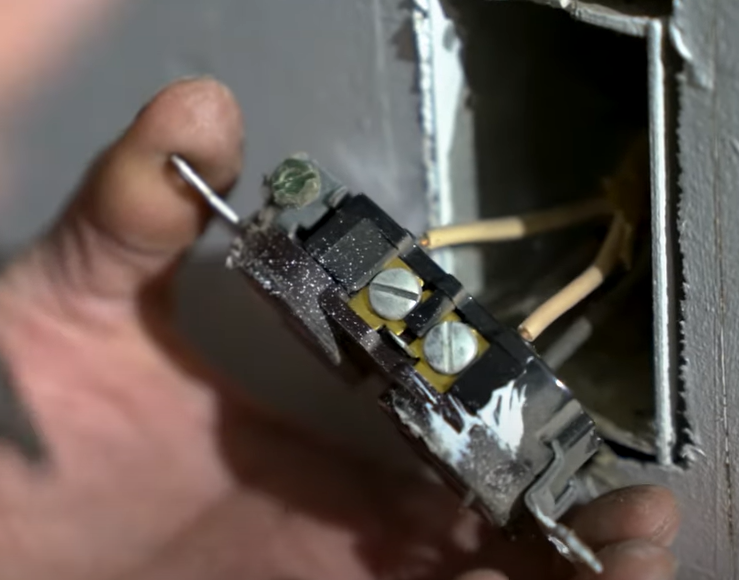
When you invest in a home renovation or new construction, the last thing you expect is a potential problem hiding behind your walls. I learned that lesson after having my basement finished. The craftsmanship looked impeccable, but when I checked the wiring, I found that every outlet had been backstabbed.
That discovery was an eye-opener. It reminded me that a finished room can look great while the details you cannot see deserve a closer look.
Backstabbed outlets use spring-loaded push-in terminals to hold the wires. A loose or damaged connection can overheat, but finding this wiring method does not automatically mean an outlet is unsafe or improperly installed. Here is what homeowners should understand, including an important distinction between backstabbing and screw-clamp back wiring.
What Are Backstabbed Outlets?
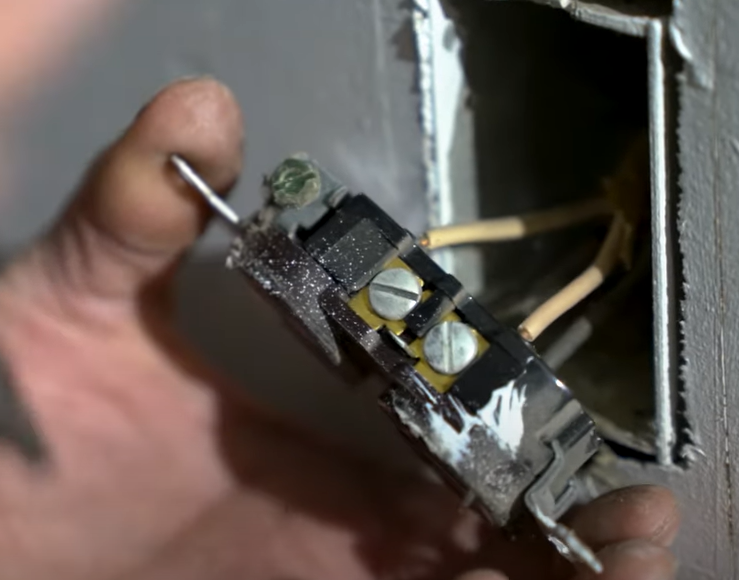
Backstabbing is a method of connecting electrical wires to a receptacle—the device most of us simply call an outlet. Instead of wrapping the wire around a side screw, the installer pushes a stripped wire into a hole where an internal spring contact holds it.
You may see this called push-in wiring or Quickwire. On the Leviton receptacle documented here, the Quickwire terminals accept only 14 AWG solid copper wire. That restriction is specific to the terminal design; always follow the markings and instructions for the actual device.
The appeal is obvious: installation is quick. My concern as a homeowner is whether the connection is appropriate for the wire and has been installed correctly.
Backstabbing vs. Back Wiring: An Important Difference
Not every wire entering the back of an outlet is backstabbed. Some receptacles use a rear-entry terminal with a pressure plate that tightens when the terminal screw is turned. That is a different connection from a spring-only push-in terminal.
Leviton’s explanation of back wiring and side wiring shows the distinction. Side wiring secures a wire around a terminal screw; screw-clamp back wiring secures it beneath a clamp.
If an electrician tells you an outlet is “back wired,” ask which method they mean. The location of the wire alone does not tell the whole story.
Why a Loose Outlet Connection Is a Problem
A poor electrical connection can generate heat. If the connection deteriorates, arcing and damage to the receptacle or surrounding material can follow. This is why an outlet that works intermittently deserves attention.
The U.S. Consumer Product Safety Commission’s research on residential electrical fires identifies loose or poor receptacle connections as a cause of overheating. That includes problems at wire terminals and where a plug fits into the outlet.
It would be misleading to say that every backstabbed outlet will fail, or that a screw terminal can never develop a problem. The quality of the device, its condition, and the installation all matter.
In my basement, finding this method throughout an otherwise well-finished room was enough for me to take a closer look. A nice finish was not a substitute for checking what was behind it.
Warning Signs That an Outlet Needs Attention
You generally cannot identify the wiring method by looking at the front of an outlet. You can, however, watch for signs of a wiring problem:
- Unusual warmth, discoloration, or melting around an outlet or wall plate.
- A burning smell or crackling, sizzling, or buzzing sounds.
- Intermittent power or unexplained flickering lights.
- Plugs that no longer fit securely.
- Repeated breaker trips or a shock or tingling sensation.
These symptoms do not prove an outlet is backstabbed. They are reasons to have the electrical system checked. The Electrical Safety Foundation’s home wiring guidance recommends contacting a licensed electrician when warning signs appear.
Stop using an outlet that smells burned, is unusually hot, or shows damage. If you can safely reach the electrical panel, turn off the affected circuit and arrange prompt professional attention. If there is smoke or an active fire, leave the home and call 911.
An outlet does not have to have something plugged into it to develop a problem. The CPSC’s Guide to Home Wiring Hazards explains that power supplying another outlet may pass through its connections.
Are Backstabbed Outlets Against Code in 2026?
Do not assume a push-in connection is a code violation simply because it is backstabbed. Manufacturers still offer listed receptacles with this termination method. Whether a particular installation is acceptable depends on the device’s instructions, the conductor, and the electrical code and amendments adopted in your area.
For example, a terminal marked for 14 AWG solid copper is not permission to insert 12 AWG wire or a different conductor type. The manufacturer’s restrictions matter.
For a renovation, ask your electrician which termination method they plan to use and whether the devices and wiring are appropriate for the circuit. Your local electrical inspector is the authority on local code requirements.
What I Recommend Homeowners Do
If you have warning signs, start with a licensed electrician. If you have no symptoms but are concerned about the workmanship in a renovation, bring it up during an inspection rather than assuming every outlet needs immediate replacement.
Ask the electrician to identify the connection type, check for heat damage, and assess the condition of the wire and receptacle. If repairs are needed, discuss side-screw or screw-clamp connections suitable for the device. Proper installation includes following the specified wire preparation and tightening requirements.
I would not recommend pulling outlets out simply to satisfy your curiosity. Switching off a breaker and plugging in a lamp is not sufficient to establish that every conductor inside the box is de-energized. Manufacturer guidance calls for switching off power and testing with a voltage tester before wiring work. Leave inspection and repair to a qualified electrician if you are not trained to do that safely.
After discovering the backstabbed outlets in my own basement, I made addressing those connections a priority. That gave me peace of mind. The lesson I took from it was simple: pay attention to the work you cannot see, too.
Common Questions About Backstabbed Outlets
Can backstabbed outlets cause flickering lights?
A poor receptacle connection can interrupt power, but flickering can have several causes. It is a symptom to investigate, not a diagnosis of backstabbing.
Should every backstabbed outlet be replaced?
Not automatically. An electrician should assess the installation and any symptoms. An outlet with heat damage or a failing connection needs attention; the repair may involve more than changing the termination method.
Are screw terminals always safe?
No. A poorly installed screw connection can also loosen or overheat. Correct installation matters with either method.
What My Basement Renovation Taught Me
When you spend money improving your home, it is easy to focus on the things you can see: the walls, flooring, trim, and finished details. My basement reminded me that the electrical work deserves just as much attention.
Backstabbed outlets are worth understanding, but the goal is a properly installed, dependable electrical system. Know the warning signs, ask questions during renovations, and get a qualified electrician involved when something does not seem right.
Have you discovered an electrical issue after a renovation, or had an electrician explain a wiring detail you had never considered? Share your experience in the comments below.
understanding!
John